

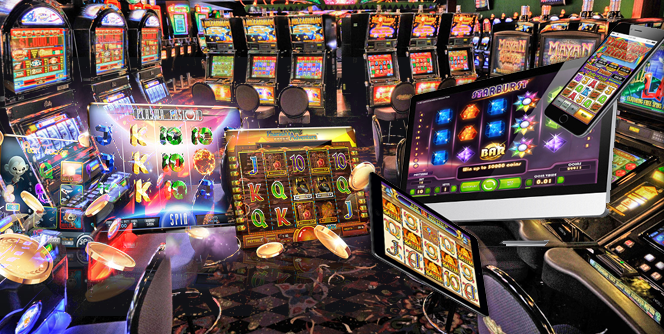
Slot games are among the easiest digital casino-style games to understand because their basic controls are relatively simple. However, learning how the reels, symbols, paylines, and special features work can make the overall experience easier to follow. Whether someone is exploring a free-play version or learning about real-money games, understanding the fundamentals is an important first step.
Modern slot gacor games come in many different formats. Some feature three traditional reels, while others use multiple reels, cascading symbols, bonus rounds, and innovative mechanics. Despite these differences, the basic process of interacting with a slot game remains relatively consistent.
Understanding the Basic Structure
Before playing a slot game, it is useful to understand its main components. Most games feature reels containing different symbols. When the reels spin and stop, the resulting symbols are evaluated according to the game’s rules.
Paylines or winning combinations determine which symbol arrangements may qualify as winning outcomes. Some games use traditional paylines, while others use alternative systems such as ways to win or cluster-based mechanics.
Each game has its own paytable explaining the value or function of individual symbols. Reading this information before playing can help users understand how the game operates.
Choosing a Slot Game
The next step is selecting a game that matches your interests and preferred level of complexity. Classic slots generally have simple layouts and familiar symbols, making them suitable for people who prefer traditional designs.
Video slots usually provide more elaborate themes, graphics, and features. Other categories may include progressive jackpot games, Megaways-style games, branded games, and mobile-optimized titles.
When selecting a game, examine its rules, features, supported devices, and available play modes. If you are simply learning the mechanics, a free-play or demo version can be a useful option.
Learning the Paytable
The paytable is one of the most important sections of any slot game. It explains the symbols, possible combinations, special features, and other relevant rules.
Some symbols may act as Wilds, allowing them to substitute for other symbols. Scatter symbols can sometimes trigger bonus features or free spins. Other symbols may activate multipliers, expanding reels, or additional game rounds.
Because features vary significantly between titles, never assume that one game’s symbols work exactly like those in another game. Checking the paytable first can prevent confusion.
Setting the Game Options
Depending on the specific game, users may be able to select a wager amount, number of paylines, or other settings before starting a spin. In free-play versions, these settings may simply use virtual credits.
It is important to understand what each control does before activating the reels. Some interfaces include buttons for spinning, adjusting the wager, accessing the paytable, enabling automatic spins, or changing sound settings.
Taking a moment to identify these controls makes the interface easier to navigate.
Starting a Spin
Once the game has been selected and its rules understood, the basic gameplay process is straightforward. The user activates the spin button, the reels begin moving, and they eventually stop to reveal a symbol combination.
The game then evaluates the result according to its programmed rules. In digital slot games, outcomes are commonly determined using a Random Number Generator, or RNG. This means previous results do not provide a reliable method for predicting the next outcome.
Every spin should therefore be viewed as an independent event.
Exploring Bonus Features
Many modern slot games include bonus mechanics that add variety to the standard spinning process. These may include free spins, multipliers, Wild symbols, cascading reels, expanding symbols, or interactive bonus rounds.
Learning how these features work can make a game easier to understand. However, special features do not guarantee a particular outcome or profit. Their availability and rules depend entirely on the individual game.
Playing Responsibly
Understanding how to play also means understanding the risks associated with real-money gambling. Free-play games can be explored without financial wagering, while real-money versions involve the possibility of losing money.
Anyone participating in regulated gambling should follow local laws, age requirements, and platform rules. Setting a personal spending limit is also important. Gambling should be treated as entertainment rather than a guaranteed way to earn money.
Avoid chasing losses or increasing wagers simply because previous spins were unsuccessful. Knowing when to stop is an essential part of responsible participation.
Final Thoughts
Learning how to play situs slot games is generally straightforward once the basic components are understood. Start by choosing a suitable game, read its paytable, understand the controls, and become familiar with its features before playing.
Most importantly, remember that slot outcomes are based on chance, and no strategy can guarantee a winning result. Approaching these games with realistic expectations and responsible limits provides a safer and more informed way to explore this form of digital entertainment.