

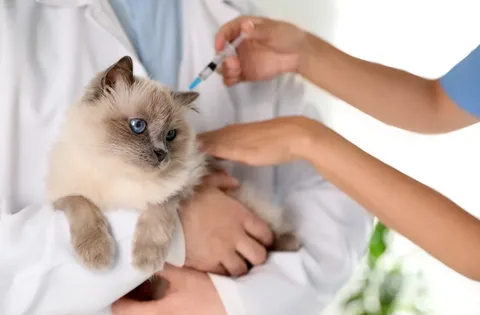
Bringing a new kitten into your home is an exciting and joyful experience. Their playful energy, curious nature, and affectionate personality quickly make them beloved members of the family. While providing love, nutrition, and a safe environment are vital, another crucial responsibility is ensuring that your kitten receives the appropriate vaccinations. Vaccinations may seem routine, but they play a critical role in protecting your kitten from potentially life-threatening diseases and setting the foundation for a long, healthy life.
Protecting Against Serious Diseases
Kittens are particularly vulnerable to infectious diseases because their immune systems are still developing. Diseases such as feline distemper (panleukopenia), feline calicivirus, and feline herpesvirus can spread rapidly and have severe consequences. These illnesses often lead to symptoms like vomiting, diarrhea, respiratory issues, and even death in young kittens.
Vaccinations introduce the immune system to weakened or inactive forms of these pathogens, allowing the kitten to build immunity without experiencing the full illness. By completing a proper vaccination schedule, owners significantly reduce the risk of these dangerous infections, giving kittens a much stronger chance at survival and well-being.
Safeguarding Your Entire Household
Vaccinating a kitten does not just protect the animal itself; it also safeguards other pets and humans in the household. Some feline diseases can spread between cats through contact or shared spaces, and a sick kitten can inadvertently expose older or unvaccinated animals to infection.
A vaccinated kitten is less likely to become a carrier of contagious diseases, creating a safer environment for other pets. In households with multiple animals, keeping vaccinations up to date reduces the likelihood of outbreaks and the emotional stress and medical costs that come with treating sick pets.
Establishing Lifelong Health Habits
Early vaccinations set the stage for ongoing preventive care. Kittens that begin vaccinations according to recommended schedules are more likely to continue routine veterinary care into adulthood. This includes annual booster shots, parasite prevention, and regular health check-ups, all of which contribute to a longer, healthier life.
Developing this habit early also helps kittens become accustomed to veterinary visits. A kitten that is comfortable with routine check-ups is less stressed as an adult, which makes it easier to address health issues promptly and maintain overall wellness.
Supporting Community and Shelter Cats
Vaccinated kittens are not only protected at home but also help reduce the spread of disease in the wider feline community. For kittens that are adopted from shelters or interact with outdoor cats, vaccination is essential to prevent the transmission of contagious illnesses. Shelters often require proof of vaccination before adoption, reflecting the importance of protecting all animals in shared environments.
By vaccinating your kitten, you are contributing to public health within the animal community, helping to reduce outbreaks that can affect multiple homes and neighborhoods.
Avoiding Costly Medical Emergencies
The financial impact of preventable diseases can be significant. Treating serious illnesses such as feline distemper or respiratory infections often requires hospitalization, medications, and extended veterinary care. These costs are typically much higher than the investment in routine vaccinations.
Preventive care is a cost-effective strategy that saves both money and heartache. Vaccinations protect against diseases that are difficult and expensive to treat, making them an essential part of responsible kitten ownership.
Timing Matters
The timing of vaccinations is critical to their effectiveness. Kittens receive some immunity from their mother’s milk, but this passive protection diminishes over the first weeks of life. A carefully scheduled series of vaccines ensures that the kitten is protected as maternal antibodies fade.
Veterinarians typically recommend starting vaccinations around six to eight weeks of age, with follow-up doses administered every few weeks until the kitten reaches approximately 16 weeks. Following this schedule provides comprehensive protection during the kitten’s most vulnerable period.
Reducing Stress and Suffering
Preventing illness through vaccination reduces the physical suffering that comes with infectious diseases. Sick kittens often experience discomfort, lethargy, and pain that can be distressing to both the animal and their owner. Vaccinations help ensure that kittens enjoy their playful, curious nature without the setbacks of serious illness.
Protecting your kitten early also means fewer emergency vet visits, less medication, and a more stable and stress-free environment, which is crucial for their emotional and physical development.
Fostering a Strong Immune System
Vaccinations do more than protect against specific diseases; they also strengthen the kitten’s overall immune system. By training the body to recognize and respond to pathogens, vaccines help the immune system respond more effectively to future challenges. This foundation of immunity contributes to a kitten’s long-term resilience and supports overall health.
Healthy kittens are more active, playful, and socially engaged, which enhances their quality of life and builds a stronger bond with their human companions.
Conclusion
Kitten vaccinations are an essential aspect of responsible pet ownership. They protect young cats from serious diseases, reduce the risk of transmission to other animals, and establish a foundation for lifelong health. Timely vaccinations also save owners from costly medical emergencies and minimize the stress and suffering associated with preventable illnesses. By committing to a proper vaccination schedule, you ensure that your kitten grows into a strong, healthy, and happy adult, ready to share years of companionship with your family. Vaccinations are more than a routine procedure—they are an investment in the future and well-being of your cherished furry friend.
