

Dental implants have become a reliable and effective solution for replacing missing teeth. They provide a natural appearance, restore function, and improve oral health. However, the success of a dental implant is not solely determined by the surgery itself—it begins long before you enter the dentist’s office. Proper preparation ensures that the procedure goes smoothly, minimizes complications, and supports optimal recovery. Understanding what steps to take before a dental implant can make a significant difference in both the short-term experience and long-term results.
Understanding the Procedure
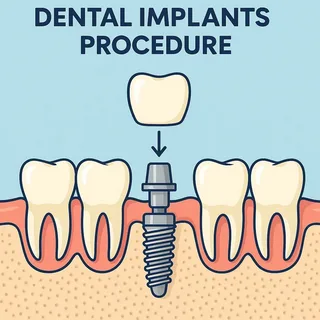
Before scheduling a dental implant, it is essential to fully understand what the procedure entails. Dental implants involve inserting a titanium post into the jawbone to serve as a replacement tooth root. This post provides a strong foundation for a crown, bridge, or denture. The process may require multiple appointments over several months, including consultations, imaging, surgery, and healing periods.
Knowing the steps involved helps set realistic expectations and reduces anxiety. Discussing the procedure with your dentist or oral surgeon allows you to clarify questions, understand the timeline, and anticipate post-operative care.
Comprehensive Dental Evaluation
A thorough dental evaluation is a critical first step. This often includes dental X-rays, 3D imaging, and oral examinations to assess bone density, gum health, and overall oral structure. Your dentist needs to ensure that your jawbone is strong enough to support an implant and that there are no underlying issues, such as tooth decay or gum disease, that could compromise healing.
If there are existing problems, your dentist may recommend treatments like periodontal therapy, tooth extractions, or bone grafting before proceeding with the implant. Addressing these issues ahead of time ensures a healthier foundation and increases the likelihood of successful implant integration.
Medical History and Health Assessment
Your overall health plays a crucial role in dental implant success. Conditions such as diabetes, heart disease, or immune disorders can impact healing and increase the risk of complications. It is important to share a complete medical history with your dentist, including current medications, allergies, and past surgeries.
In some cases, your dentist may coordinate with your physician to ensure that your medical conditions are well-managed before the implant procedure. This collaboration helps reduce risks and supports a safer surgical experience.
Planning for Medications and Supplements
Certain medications and supplements can affect bleeding, bone healing, and anesthesia. Blood thinners, anti-inflammatory drugs, and herbal supplements like ginkgo or garlic may need to be temporarily adjusted. Your dentist will provide specific instructions regarding which medications to continue or pause before surgery.
Following these guidelines carefully is crucial to reduce complications and ensure a smooth procedure. Never make changes on your own without consulting your dental professional.
Preparing Your Mouth
Good oral hygiene is vital before a dental implant. Brushing, flossing, and using an antibacterial mouth rinse can reduce the risk of infection during and after the procedure. If your dentist recommends professional cleaning or additional treatments, completing these steps prior to surgery helps create an optimal environment for healing.
Avoiding tobacco and limiting alcohol consumption is also recommended. Smoking and excessive alcohol can impede bone healing, increase infection risk, and negatively affect implant success. Adopting healthier habits before surgery contributes to better outcomes.
Planning Your Schedule
Dental implant procedures often require downtime for recovery, depending on the complexity of the surgery. You may experience swelling, minor discomfort, or sensitivity for several days afterward. Planning your schedule to allow rest and avoid strenuous activity is important.
Arranging transportation to and from the appointment is another consideration. Sedation or anesthesia may be used during the procedure, making it unsafe to drive afterward. Ensuring a support system is available can reduce stress and make the experience more manageable.
Nutritional Preparation
Proper nutrition supports healing and recovery. Leading up to the procedure, focus on a diet rich in vitamins and minerals that promote bone and tissue health, such as calcium, vitamin D, and protein. Following the procedure, soft foods and a balanced diet will help maintain strength and support recovery. Preparing your home with easy-to-eat meals and snacks can make the post-operative period more comfortable.
Mental and Emotional Preparation
Dental procedures, especially those involving surgery, can be intimidating. Mental preparation is just as important as physical readiness. Understanding the procedure, discussing concerns with your dentist, and visualizing a successful outcome can reduce anxiety. Some patients benefit from relaxation techniques, guided meditation, or simply having a trusted friend or family member present for support.
Reducing stress before surgery promotes a smoother experience and can even improve healing outcomes. Confidence and a calm mindset help you approach the procedure with clarity and focus.
Conclusion
Preparing for a dental implant procedure involves more than scheduling the surgery—it requires thoughtful attention to your oral health, overall wellness, and emotional readiness. Completing a thorough dental and medical evaluation, optimizing oral hygiene, managing medications, planning your schedule, and ensuring proper nutrition all contribute to the success of the implant. Taking these steps not only reduces the risk of complications but also enhances recovery and supports long-term results. By investing time and care before the procedure, you set the stage for a smoother experience and enjoy the full benefits of a restored, healthy smile.
