

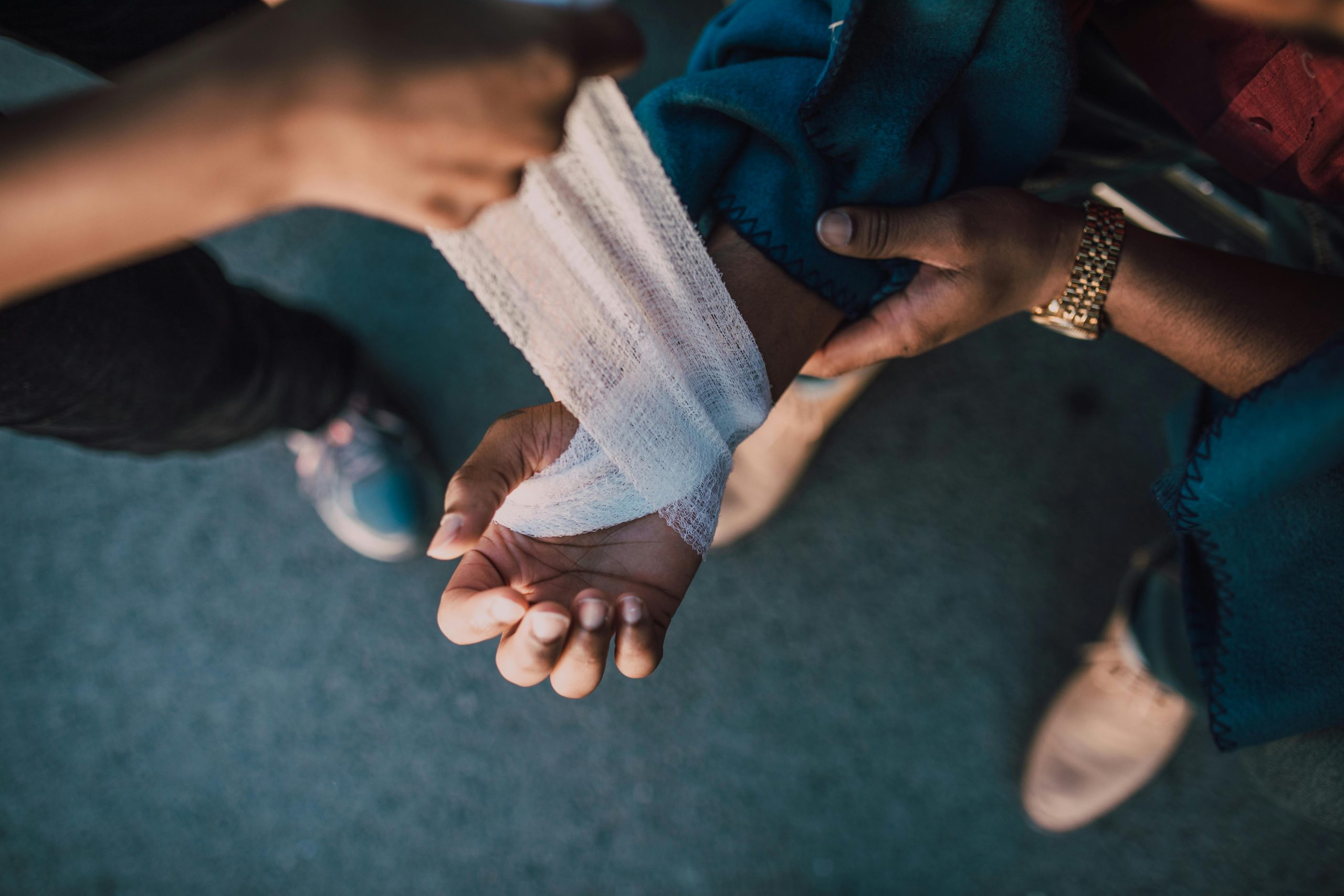
Receiving wound care can be stressful, especially when traveling to clinics or hospitals is difficult. Mobile care services bring skilled wound treatment directly to the patient’s home, making healing more comfortable and consistent. This approach is especially helpful for seniors, individuals with limited mobility, or those managing chronic conditions. Understanding the types of wounds commonly treated through mobile care helps patients and families feel more confident about this option.
Managing Chronic Wounds at Home
Chronic wounds are injuries that heal slowly or reopen over time. These often include ulcers related to circulation problems or long-term conditions like diabetes. Because they require regular monitoring, mobile care can help keep treatment consistent without frequent trips outside the home.
Care providers focus on cleaning the wound, protecting surrounding skin, and encouraging healthy healing. They also look for early signs of infection or delayed progress. Regular visits help prevent complications and support steady improvement. Home-based care allows patients to stay comfortable while receiving dependable treatment.
Treating Surgical Wounds After Procedures
After surgery, proper wound care is essential to prevent infection and support healing. Surgical wounds may need dressing changes, monitoring, and guidance during recovery. Mobile care services make it easier for patients to follow post-surgery instructions without added stress.
Clinicians check for redness, swelling, or drainage during each visit. They also help patients understand what is normal and when to call for extra support. This reassurance can ease anxiety during recovery. Being treated at home often encourages better rest and healing.
Caring for Pressure Wounds Safely
Pressure wounds, sometimes called bed sores, develop when someone stays in one position for too long. These wounds are common among individuals who use wheelchairs or spend extended time in bed. Mobile care services are well-suited for managing these sensitive injuries.
Care providers focus on relieving pressure, cleaning the wound, and protecting nearby skin. They may also suggest changes in positioning or support surfaces. Consistent care helps prevent worsening and supports healing. Education for caregivers is often part of the process.
Addressing Diabetic Foot Wounds
Diabetic foot wounds require close attention because they can worsen quickly. Reduced feeling in the feet makes it harder for patients to notice injuries early. Mobile wound care allows professionals to monitor these wounds regularly and respond quickly to changes.
Treatment often includes cleaning the wound and protecting it from further injury. Providers also look for signs of infection and healing progress. Education is a key part of care, helping patients understand daily foot checks. This ongoing attention supports safer healing.
Supporting Traumatic and Accidental Wounds
Traumatic wounds can result from falls, cuts, or other accidents. These injuries may heal well with proper care, but they still require attention to avoid infection. Mobile care services help ensure wounds are cleaned and monitored properly from the start.
Providers assess wound depth, manage dressings, and guide patients on activity limits. This care helps reduce complications during healing. Mobile support also allows providers to adjust treatment as the wound changes. Prompt care supports faster recovery.
Providing Care for Complex or Hard-to-Heal Wounds
Some wounds are more complex and require specialized attention. These may involve multiple layers of skin or underlying health conditions. Mobile care teams are trained to manage these challenges safely at home.
Providers tailor care plans to each patient’s needs and healing pace. They coordinate with doctors when adjustments are needed. Services like those offered by AAA Medical Center show how mobile wound care services can combine medical expertise with personal attention. This approach supports healing while maintaining comfort.
Understanding the Value of Mobile Wound Care
Mobile care services treat a wide range of wounds while prioritizing patient comfort and safety. From chronic ulcers to surgical and accidental wounds, home-based treatment offers reliable support. Regular visits help catch issues early and encourage steady healing.
For many patients, receiving care at home reduces stress and improves consistency. It also supports independence and peace of mind. Understanding the types of wounds treated through mobile care helps families make informed decisions. With proper support, healing can happen where patients feel most at ease.
