

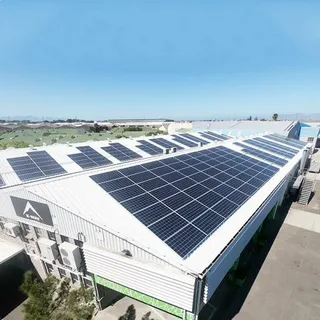
In today’s fast-paced business environment, companies are constantly looking for ways to reduce operational costs and adopt sustainable practices. One of the most effective solutions is investing in solar energy. A Complete Guide to Commercial Solar Systems for Modern Enterprises explores everything a business needs to know about implementing solar solutions.
Understanding Commercial Solar Systems
Commercial solar systems are specifically designed for businesses rather than residential homes. Unlike small-scale panels used for homes, these systems are larger and more robust, capable of meeting the significant energy demands of offices, factories, and warehouses. By harnessing sunlight, enterprises can generate clean energy, reduce electricity bills, and lower their carbon footprint.
Benefits of Solar Energy for Businesses
Implementing solar energy provides a wide range of benefits for modern enterprises, including:
- Cost Savings: Solar panels significantly reduce electricity bills over time. Businesses can often achieve a full return on investment within a few years.
- Sustainability: Using renewable energy enhances a company’s environmental responsibility, which can improve brand reputation and attract eco-conscious customers.
- Energy Independence: Commercial solar systems reduce dependence on the grid, ensuring consistent power supply even during outages.
- Government Incentives: Many governments offer tax credits, grants, and incentives for businesses that adopt solar energy.
Key Components of a Commercial Solar System
To understand the potential of solar energy for your enterprise, it’s crucial to know the key components of a commercial solar system:
- Solar Panels: The primary component that converts sunlight into electricity.
- Inverters: Devices that convert the DC electricity produced by solar panels into usable AC electricity.
- Battery Storage: Optional, but highly beneficial for storing excess energy for later use.
- Monitoring Systems: Software solutions that track energy production and consumption in real-time.
Steps to Implement a Commercial Solar System
Successfully installing a commercial solar system requires careful planning. Here’s a simplified roadmap:
- Energy Audit: Assess your business’s current energy consumption and identify potential savings.
- System Design: Choose the right type and size of solar panels based on your energy needs.
- Financing Options: Evaluate financing solutions, such as leasing, loans, or outright purchase.
- Installation: Hire certified professionals to install the solar system safely and efficiently.
- Maintenance: Regular inspection and cleaning ensure long-term efficiency and performance.
Challenges and Considerations
While the benefits are significant, enterprises should also consider potential challenges:
- High initial investment cost
- Space requirements for large-scale solar panels
- Dependence on weather conditions for maximum efficiency
However, with proper planning, these challenges can be mitigated, making solar a viable and profitable energy solution.
Conclusion
For businesses looking to reduce costs, increase sustainability, and embrace innovation, solar energy is an excellent choice. A Complete Guide to Commercial Solar Systems for Modern Enterprises provides the knowledge needed to make informed decisions and implement effective solar solutions. By adopting solar technology, modern enterprises can not only achieve energy efficiency but also demonstrate their commitment to a greener future.
