

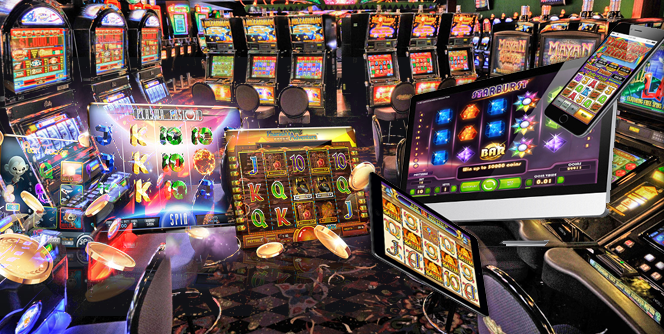
Artificial intelligence is transforming many areas of digital entertainment, and online slot gaming is no exception. Modern casino platforms increasingly use data analysis, machine learning, automation, and intelligent systems to create more personalized experiences.
Unlike traditional slot machines, which slot zeus provide essentially the same interface to every player, digital platforms can potentially adapt recommendations, interfaces, promotions, and content based on how users interact with them.
This development is often described as AI-powered personalization.
However, personalization does not mean that artificial intelligence can predict or control the outcome of a legitimate random slot spin. Instead, AI is primarily being used around the game to improve discovery, presentation, customer service, and platform experiences.
What Does AI Personalization Mean?
AI personalization involves using algorithms to analyze information and provide experiences tailored to individual users.
In an online casino environment, AI systems may examine factors such as:
- Game preferences
- Previous game interactions
- Session behavior
- Device preferences
- Frequently selected features
- General browsing patterns
The goal is to determine which content may be most relevant to a particular user.
For example, someone who frequently explores high-volatility games may receive recommendations for similar titles.
AI and Slot Recommendations
One of the most visible applications of AI is game recommendation.
Online casino platforms can have thousands of available games.
Finding something suitable can become difficult.
Recommendation systems can analyze a player’s previous interactions and suggest games with similar themes, mechanics, or features.
This is similar to recommendation systems used by streaming services and online retailers.
Personalized Game Discovery
AI can make game discovery more efficient.
Instead of browsing hundreds of titles, players may see categories such as:
- Recommended for You
- Similar Games
- Recently Played
- New Releases
- Popular With Similar Players
The recommendations can change as the player interacts with the platform.
This creates a more personalized casino interface.
AI and Player Preferences
Different players can prefer very different slot characteristics.
Some may enjoy:
- High-volatility games
- Progressive jackpots
- Classic reels
- Megaways mechanics
- Free spins
- Cascading reels
- Hold & Win features
AI systems can identify patterns in game selection and use them to organize recommendations.
This does not necessarily mean the system understands why a player prefers a particular game. It identifies behavioral patterns from available data.
Personalized Interfaces
AI can also influence how information is presented.
A platform could potentially prioritize frequently used features or place preferred game categories closer to the top of the interface.
For example, a player who regularly accesses mobile slots might receive a mobile-focused interface.
Personalization can therefore extend beyond game recommendations.
AI-Powered Search
Another useful application is intelligent search.
Traditional casino searches may rely on exact keywords.
AI-powered systems can interpret broader requests.
A player might search for a game involving:
- High volatility
- Adventure themes
- Free spins
- Progressive jackpots
- Classic fruit symbols
An intelligent search system can potentially understand these concepts and return more relevant results.
AI and Chatbots
Artificial intelligence is also being used in customer support.
AI-powered chatbots can answer common questions about:
- Account procedures
- Payment methods
- Bonus terms
- Game rules
- Verification processes
- Platform navigation
This can provide faster assistance for routine questions.
However, complex financial or account issues may still require human support.
AI and Responsible Gambling
One of the potentially valuable applications of AI is responsible-gambling monitoring.
Online platforms can observe behavioral patterns that may indicate potentially risky activity.
For example, systems may identify unusual changes in:
- Session length
- Deposit frequency
- Spending patterns
- Betting intensity
- Playing times
If certain patterns meet predefined criteria, the platform may provide reminders, interventions, or information about available support tools.
Personalization Should Not Mean Encouraging Excessive Play
There is an important ethical distinction between personalization and manipulation.
A recommendation system designed to help users discover relevant games can be useful.
However, personalization that aggressively encourages a person to continue gambling despite signs of problematic behavior raises serious concerns.
Responsible systems should prioritize player protection.
AI Cannot Predict Legitimate Random Spins
One of the biggest misconceptions about AI-powered slots is that artificial intelligence can identify which spin will win.
A properly implemented slot uses a random number generator or another approved randomization mechanism.
AI does not automatically gain access to future outcomes.
Analyzing previous results cannot reliably predict the next independent random result.
The Gambler’s Fallacy and AI
Suppose a player loses several consecutive spins.
An AI recommendation system might identify that the player has been playing a particular game.
That does not mean the next spin is statistically more likely to win.
Likewise, a long sequence of winning spins does not guarantee that another win is due.
AI cannot turn random outcomes into predictable events simply by analyzing historical results.
AI and Game Development
Artificial intelligence can also influence the development side of the slot industry.
Developers may use AI-assisted tools to help with:
- Concept generation
- Art development
- Testing
- Data analysis
- Quality assurance
- Localization
- Player-interface design
These applications can potentially reduce development time and help teams experiment with new ideas.
Dynamic Game Content
Future slots could potentially use AI to create more adaptive experiences.
For example, narrative elements could change depending on player progress.
Characters could respond differently.
Bonus environments could vary.
Visual elements could be adjusted according to user preferences.
However, any adaptive gambling mechanic would still need to comply with applicable technical and regulatory requirements.
AI and Personalization of Themes
Players often develop preferences for particular themes.
Some prefer fantasy.
Others enjoy sports, mythology, adventure, luxury, or science fiction.
AI recommendation systems can identify these preferences and surface related titles.
This reduces the amount of manual searching required.
Personalized Promotions
AI can also be used to determine which promotional messages are displayed to different users.
A platform may personalize communications based on a user’s previous interactions.
However, personalized gambling promotions can raise significant responsible-gambling and regulatory considerations.
Players should always read promotional terms, including wagering requirements, eligibility rules, and expiration dates.
AI and Fraud Detection
Not all AI applications are designed for player personalization.
AI can also help online gaming platforms detect potentially suspicious activity.
Machine-learning systems can analyze unusual patterns involving:
- Account behavior
- Transactions
- Login activity
- Device changes
- Multiple accounts
- Payment activity
The goal can be to identify potential fraud or security issues.
Improving Game Recommendations
A basic recommendation system might rely on simple categories.
A more advanced AI system can consider multiple factors simultaneously.
For example, it might recognize that a player who enjoys fantasy-themed games also tends to prefer medium volatility and cascading mechanics.
It could then recommend titles combining those characteristics.
This creates more nuanced personalization.
AI and Mobile Gaming
Mobile casino users may have different interface requirements than desktop players.
AI systems can potentially identify device usage patterns and optimize recommendations accordingly.
A player who primarily uses a smartphone may see games that load efficiently and have interfaces suited to smaller screens.
This can improve usability.
Privacy and Data Collection
Personalization requires data.
This creates an important privacy question: What information is being collected, and how is it being used?
Players should review the privacy policies of platforms they use.
Important considerations include:
- What data is collected?
- How long is it stored?
- Is it shared with third parties?
- How is it protected?
- Can users control certain data preferences?
Greater personalization should not come at the expense of unnecessary data collection.
Transparency Matters
Players should ideally understand when AI systems are influencing their online experience.
A platform may use algorithms to determine which games appear prominently.
This does not necessarily mean the recommended game is better or more profitable for the player.
It simply means the platform believes it is relevant based on available information.
Players should continue to make independent decisions.
AI Does Not Change RTP
Artificial intelligence used for recommendations does not automatically change a slot’s RTP.
If a game has a published theoretical RTP, that figure describes the mathematical design of the game.
Personalized recommendations may influence which game a player sees, but they do not inherently alter the game’s underlying probability structure.
AI and Volatility Recommendations
Some recommendation systems may eventually help players find games based on characteristics such as volatility.
This can be useful because volatility describes the general pattern of payouts.
However, players should remember that volatility does not predict individual results.
A high-volatility game can produce a long period without a significant payout, while a low-volatility game can still produce losing sessions.
Personalized Experiences vs. Personalized Outcomes
This distinction is essential.
Personalized experience: The platform changes recommendations, interface elements, or content based on user behavior.
Personalized outcome: The actual probability or result of a gambling event is changed for an individual player.
These are fundamentally different concepts.
Legitimate game systems should operate according to their disclosed rules and applicable regulations.
AI-powered recommendations should not be confused with an ability to manipulate or predict individual outcomes.
The Future of AI-Powered Slots
The role of AI in casino gaming is likely to expand.
Future platforms may use AI for:
- Smarter game discovery
- Natural-language search
- More responsive customer support
- Advanced fraud detection
- Improved responsible-gambling monitoring
- Personalized interfaces
- More sophisticated game analytics
Developers may also experiment with AI-assisted storytelling and adaptive content.
Responsible Gambling Should Remain Central
Technology should improve the player experience without encouraging unhealthy gambling behavior.
AI systems can potentially support responsible gambling by identifying unusual behavioral changes and directing players toward helpful controls.
Features such as deposit limits, session reminders, cooling-off periods, and self-exclusion should remain accessible regardless of how sophisticated the personalization becomes.
Conclusion
AI is personalizing the modern slot experience by changing how players discover games, navigate casino platforms, receive recommendations, access customer support, and interact with digital gambling environments.
Machine learning can analyze patterns in user behavior and help platforms provide more relevant content. AI can also contribute to fraud detection, responsible-gambling monitoring, game development, and intelligent search.
But personalization has clear limits. AI cannot reliably predict the next outcome of a properly randomized slot simply by analyzing previous spins. A recommendation for a particular game does not mean that game offers better winning chances, and personalized interfaces do not automatically change RTP or volatility.
The future of AI-powered slots will therefore depend not only on technical innovation but also on transparency, privacy, regulation, and responsible design. When used appropriately, AI can make online casino platforms easier to navigate and more responsive to individual preferences while keeping the underlying principles of fair and responsible gaming intact.