

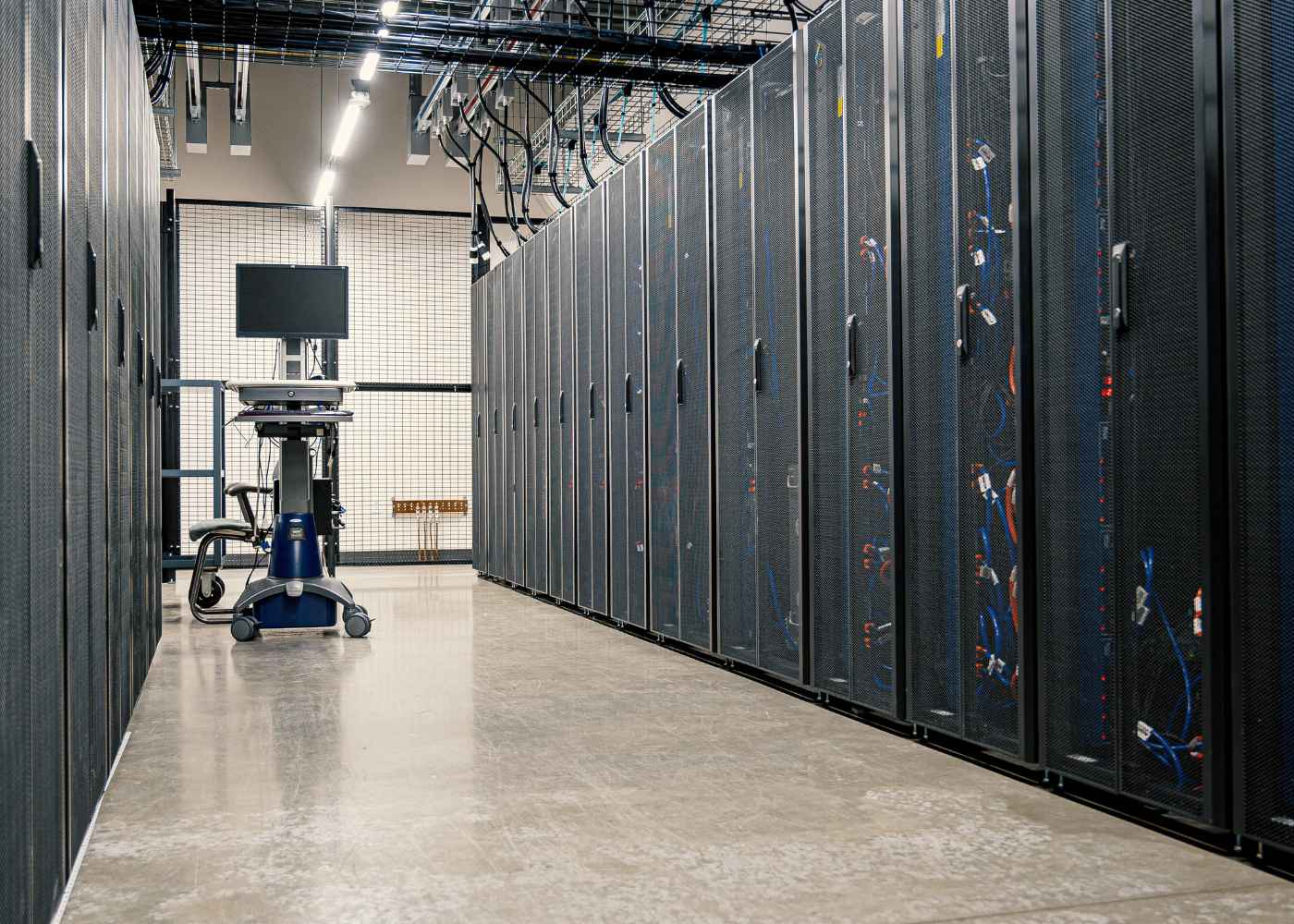
Data centers form the backbone of modern computing infrastructure, housing the servers and storage systems that power everything from cloud services to artificial intelligence applications. These facilities consume enormous amounts of electricity, with cooling systems representing one of the largest contributors to operating expenses. As computing demands intensify and energy costs rise, operators who fail to optimize cooling efficiency face competitive disadvantages that compound over time.
Understanding how advanced cooling strategies reduce operating costs helps data center operators make informed decisions about infrastructure investments that deliver both immediate savings and long-term value.
Addressing the Largest Energy Consumer
Cooling systems account for a substantial portion of total data center energy consumption. Traditional computer room air conditioning units work continuously to remove heat generated by servers operating around the clock. The electricity powering these cooling systems represents pure overhead, adding nothing to computational output while significantly inflating operating budgets.
The challenge intensifies as server densities increase to meet growing computing demands. Modern processors generate far more heat than their predecessors, creating thermal loads that legacy cooling systems struggle to manage efficiently. Facilities designed for older equipment often find themselves running cooling systems at maximum capacity while still experiencing hot spots that threaten equipment reliability.
Energy costs continue rising in most markets, amplifying the financial impact of cooling inefficiency. What might have seemed like acceptable overhead when electricity prices were lower becomes increasingly burdensome as rates climb. Operators who addressed cooling efficiency early now enjoy cost advantages over competitors still running outdated systems.
Implementing Containment Strategies
Hot and cold aisle containment represents one of the most effective approaches to improving cooling efficiency. By physically separating the hot exhaust air from servers and the cold supply air feeding them, containment prevents mixing that wastes cooling capacity. The result is more efficient use of every unit of cooling produced.
Without containment, cold air and hot air mix throughout facility spaces, raising the temperature of supply air before it reaches equipment intakes. Cooling systems must work harder to compensate, consuming additional energy to achieve the same cooling effect that containment delivers more efficiently.
Implementing containment requires careful planning but typically delivers a rapid return on investment through reduced energy consumption. The capital expenditure for barriers, doors and airflow management infrastructure pays back through ongoing operating savings that continue year after year.
Leveraging Free Cooling Opportunities
Economizer systems take advantage of favorable outdoor conditions to reduce mechanical cooling loads. When outside air temperatures fall below data center operating thresholds, economizers bring in external air directly rather than running energy-intensive refrigeration equipment.
Geographic location significantly affects free cooling potential. Facilities in cooler climates can operate economizers for larger portions of the year, while those in warmer regions benefit during seasonal temperature drops. Even partial use of economizer cooling delivers meaningful savings compared to year-round mechanical operation.
Choosing trusted companies like Data Center Solutions ensures proper economizer system design and integration with existing infrastructure. Improperly configured economizers can introduce humidity problems or contamination that damages sensitive equipment, making professional expertise essential for successful implementation.
Exploring Liquid Cooling Technologies
As heat densities exceed what air cooling can efficiently manage, liquid cooling technologies offer transformative efficiency improvements. Direct-to-chip cooling removes heat at its source, eliminating the need to cool entire room volumes to maintain acceptable equipment temperatures.
Liquid absorbs heat far more efficiently than air, allowing cooling systems to operate with dramatically reduced energy consumption. Facilities implementing liquid cooling often achieve efficiency improvements that seemed impossible with air-based approaches, fundamentally changing their cost structures.
The transition to liquid cooling requires infrastructure modifications but enables server densities that would overwhelm traditional cooling. Operators planning for future growth increasingly view liquid cooling as essential for accommodating next-generation computing hardware.
Optimizing System Controls
Intelligent control systems continuously adjust cooling output based on actual thermal conditions rather than running at fixed settings regardless of load. Sensors throughout facilities monitor temperatures in real time, allowing precise cooling delivery that avoids both over-cooling and dangerous hot spots.
Variable speed drives on fans and pumps reduce energy consumption during periods of lower cooling demand. Rather than cycling between full power and off states, equipment operates at whatever speed current conditions require. The cumulative energy savings from variable speed operation often exceed expectations.
Predictive algorithms can anticipate cooling needs based on computing workload patterns, positioning systems to respond efficiently before thermal problems develop. This proactive approach maintains optimal conditions while minimizing the energy required to achieve them.
Measuring Improvement Through Metrics
Power Usage Effectiveness, the ratio of total facility power to IT equipment power, provides the standard metric for evaluating data center efficiency. Lower values indicate more efficient operations, with world-class facilities achieving ratings that seemed unattainable just years ago.
Continuous monitoring enables operators to track efficiency improvements and identify opportunities for further optimization. Without measurement, efficiency gains remain invisible, and optimization efforts lack direction. Establishing baseline metrics before implementing improvements quantifies the value of investments.
Data centers that commit to systematic cooling efficiency improvements position themselves competitively in markets where operating costs directly affect service pricing. The savings compound over time, creating advantages that less efficient competitors cannot easily overcome.