

Efficient grain management is a crucial part of the agriculture and food production industry. Farmers and storage facilities must ensure that grains are handled safely and remain in good condition from harvest to processing. This is where grain handling systems play a vital role. These systems are designed to move, store, and protect grains while reducing the risk of damage, spoilage, and contamination. Understanding how these systems work can help businesses and farmers improve productivity and maintain the quality of their products.
What Are Grain Handling Systems?
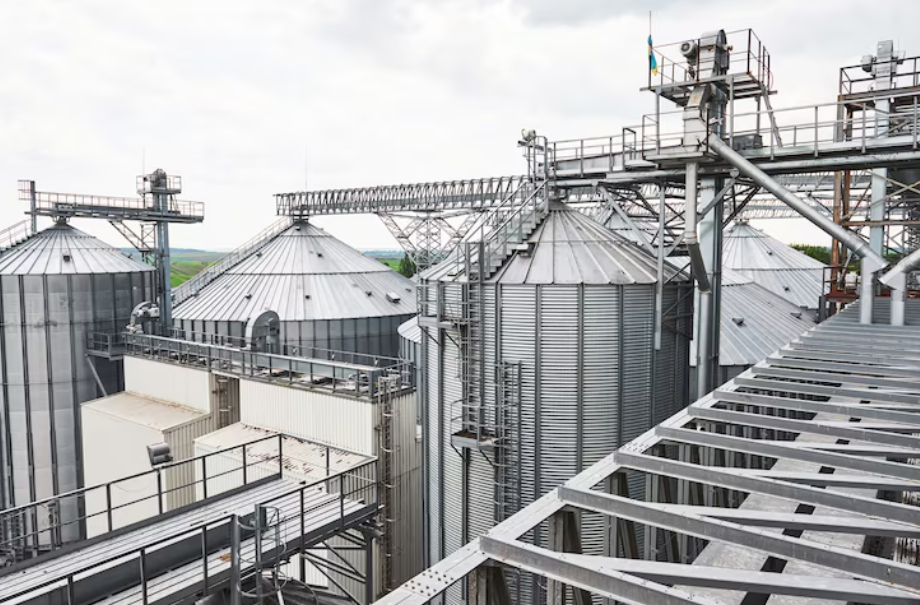
Grain handling systems are specialized equipment and machinery used to transport, store, and manage grains. These systems include conveyors, elevators, silos, augers, and other devices that facilitate the movement of grains from one point to another. By automating and streamlining grain movement, these systems reduce manual labor, save time, and minimize the chance of errors. They also provide a controlled environment that protects grains from moisture, pests, and temperature fluctuations, which can lead to spoilage or loss.
Ensuring Safety in Grain Storage
Safety is a primary concern when managing large quantities of grain. Grain handling systems are designed with safety features to prevent accidents during operations. For instance, modern systems include sensors and automated controls that detect blockages, overflows, or equipment malfunctions. These alerts help operators take immediate action and avoid potential hazards. Additionally, proper ventilation and aeration systems are integrated to reduce the buildup of dust, which can be combustible and pose fire risks. By combining automation with safety measures, grain handling systems create a safer working environment for everyone involved.
Maintaining Grain Quality
The quality of grain is affected by factors such as moisture content, temperature, and exposure to pests. Grain handling systems help maintain optimal storage conditions by controlling these variables. For example, silos with temperature and moisture sensors can adjust ventilation to keep grains dry and cool, preventing mold and insect infestations. Continuous movement of grains through conveyors or augers also prevents clumping and uneven drying. Maintaining grain quality is essential not only for market value but also for food safety, ensuring that consumers receive safe and nutritious products.
Enhancing Operational Efficiency
Efficiency is another significant benefit of using grain handling systems. Manual handling of grains can be slow, labor-intensive, and prone to human error. Automated systems reduce the need for constant supervision and enable faster loading, unloading, and storage processes. This increased efficiency allows facilities to handle larger volumes of grain without delays. Additionally, automated systems provide precise control over the movement and measurement of grains, which is essential for accurate inventory management and planning. With improved efficiency, businesses can save time, reduce labor costs, and increase overall productivity.
Adaptability to Different Grain Types
Grain handling systems are versatile and can be adapted to handle various types of grains such as wheat, corn, rice, and soybeans. Different grains have unique characteristics, and handling systems can be customized to accommodate these differences. For example, adjustments can be made to conveyor speeds, hopper sizes, and storage conditions to ensure each type of grain is handled correctly. This adaptability makes grain handling systems suitable for diverse agricultural operations and ensures consistent performance across multiple crops.
Conclusion
Grain handling systems are essential tools for ensuring safe and effective grain management. By combining automation, safety features, and controlled storage environments, these systems protect grain quality, reduce labor requirements, and improve operational efficiency. They also offer flexibility to manage different types of grains, making them indispensable for modern agricultural practices. Investing in reliable grain handling systems helps farmers and storage facilities maintain high standards of safety and quality, ultimately contributing to a more productive and sustainable grain industry.